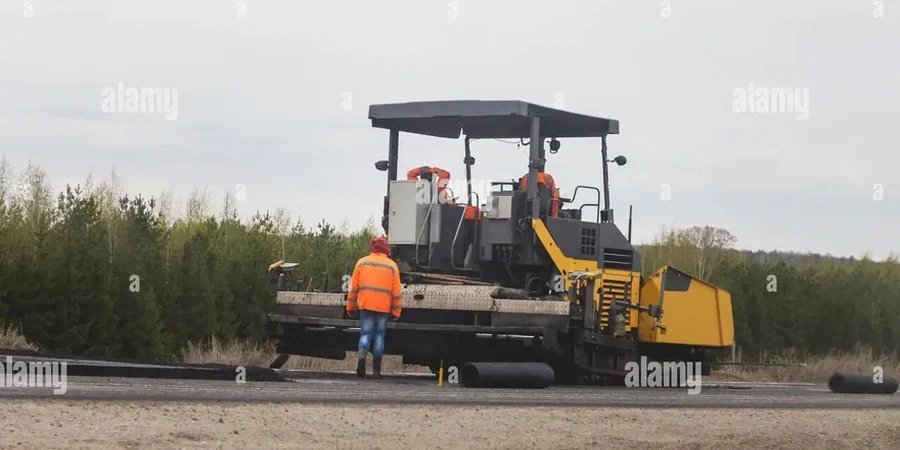
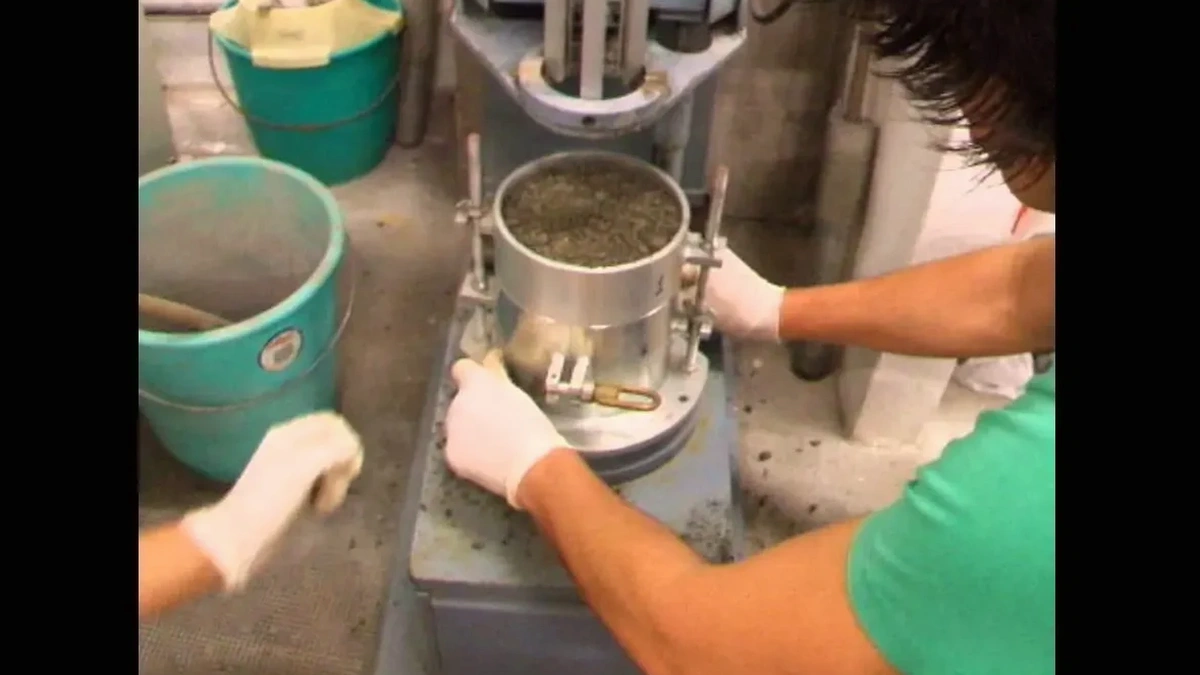
We still see it too often across Columbia. A contractor lays down fill, runs a few passes with the roller, and moves on. Then the first big rain hits and the pad settles an inch. That inch costs real money. In our lab, the Proctor test is not a formality. It defines the target density the field crew must hit. Columbia sits on the Sandhills fall line. The soils here shift fast. One lot has clean sand. The next has micaceous silt that holds water like a sponge. A single maximum dry density number cannot fit both. We run the Standard Proctor (ASTM D698) for most residential and light commercial pads. The Modified Proctor (ASTM D1557) applies when the structural load demands a heavier compactive effort. Before mobilizing the drill rig for SPT sampling, we often run a Proctor on bulk samples from the test pit. That way the field density spec is ready before the earthwork starts.
The Proctor test defines the single density number the entire earthwork operation must achieve. Without it, compaction is guesswork.