GEOTECHNICAL ENGINEERING
COLUMBIA SOUTH CAROLINA

Geotechnical Engineering in Columbia South Carolina

Technical studies that support your project.

LEARN MORE

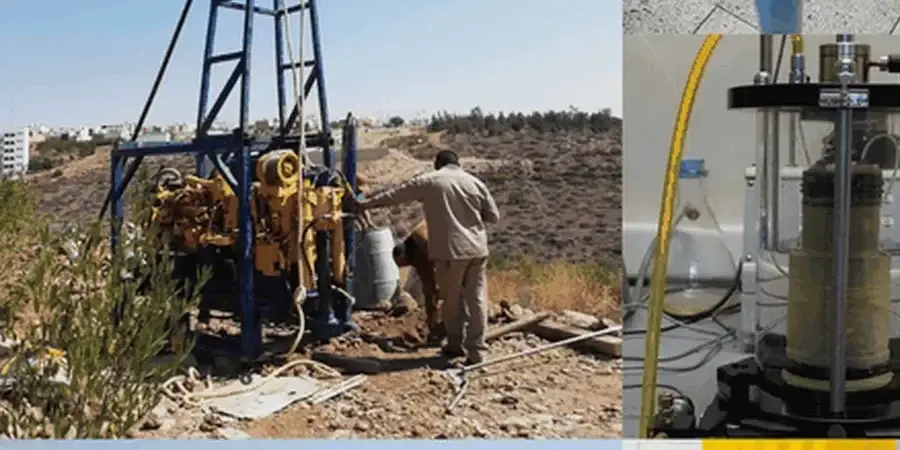
Compliance with IBC Chapter 18 and the South Carolina Building Code requires a solid soil mechanics study before breaking ground anywhere in the Midlands. Columbia's Piedmont geology presents a complex subsurface profile that ranges from residual silty sands to partially weathered schist and gneiss. Our geotechnical team has extensive experience navigating these transitions, ensuring foundation recommendations are backed by precise laboratory index testing. For sites near the Congaree River floodplain, the alluvial deposits demand a careful differentiation between natural moisture content and plasticity, which directly influences the selection of shallow versus deep foundation systems. The integration of field exploration data with advanced triaxial testing allows us to model effective stress conditions that are critical for mid-rise structures in the downtown Vista district.

Columbia's saprolite can lose over 60% of its unconfined compressive strength when saturated — a critical data point for any load-bearing calculation.
Geotechnical Engineering in Columbia South Carolina
Technical reference — Columbia South Carolina

Our service areas

Local geology

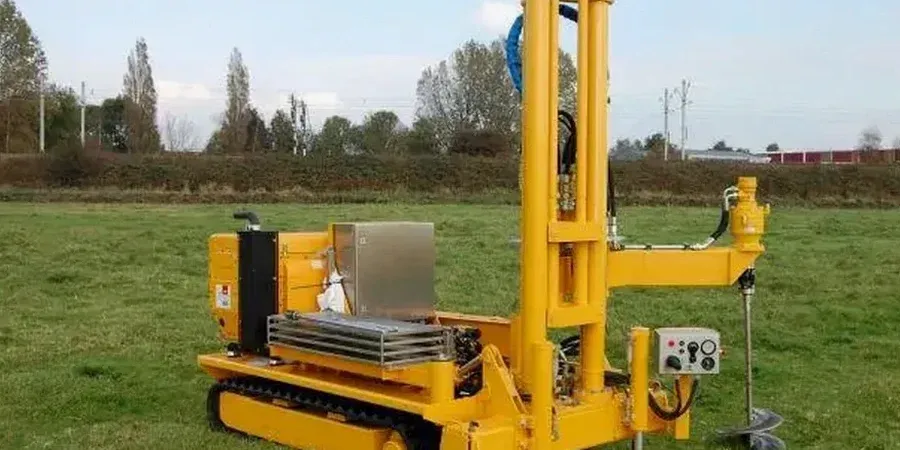
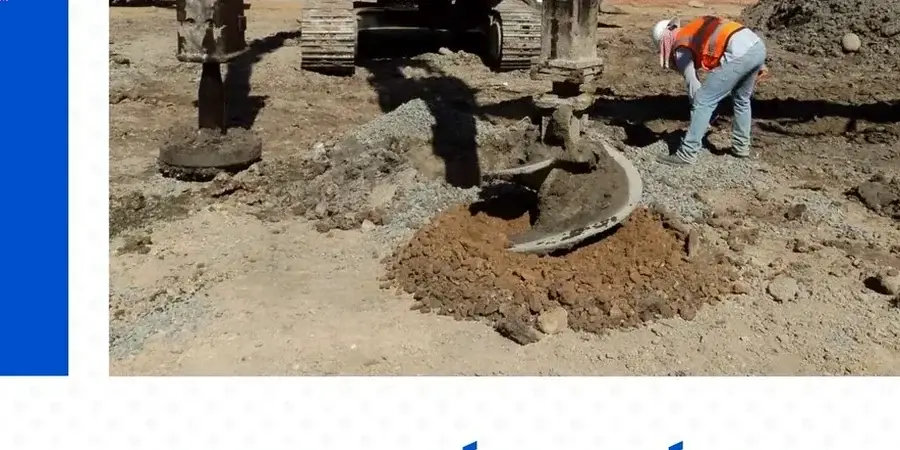
The humid subtropical climate of Columbia accelerates the chemical weathering of the local Raleigh migmatite, creating a saprolitic mantle that can exceed 15 meters in depth. This material often retains the fabric of the parent rock but exhibits drastically reduced shear strength. A standard penetration test alone is insufficient to characterize this transitional ground without corresponding laboratory consolidation and strength tests. We address this by pairing in-situ SPT drilling with undisturbed sampling to quantify the void ratio and preconsolidation pressure of these saprolites.
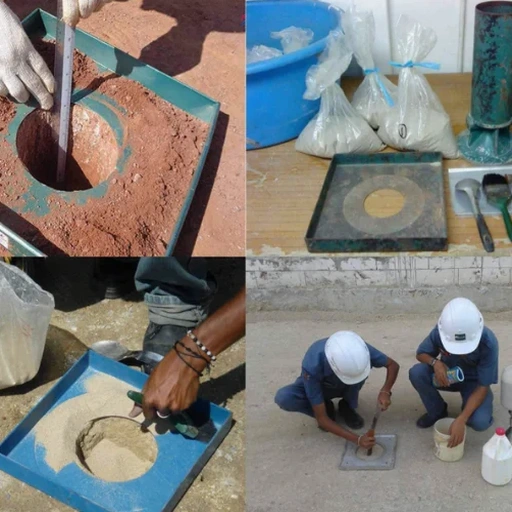
The analysis of the Piedmont residual soils also focuses on the potential for collapsible behavior upon wetting. Proctor compaction curves and Atterberg limits are used to calibrate the fill specifications, ensuring that imported borrow material matches the engineering properties of the natural ground and does not create a perched water table behind retaining walls.

Applicable standards

IBC 2021 / South Carolina Building Code (Chapter 18), ASTM D1586-18 (Standard Penetration Test), ASTM D4767-11 (Consolidated-Undrained Triaxial), ASCE 7-22 (Seismic Site Classification), AASHTO T-88 (Particle Size Analysis)

Need a geotechnical assessment?

Reply within 24h.

Email: contact@geotechnical-engineering.vip

Why choose us

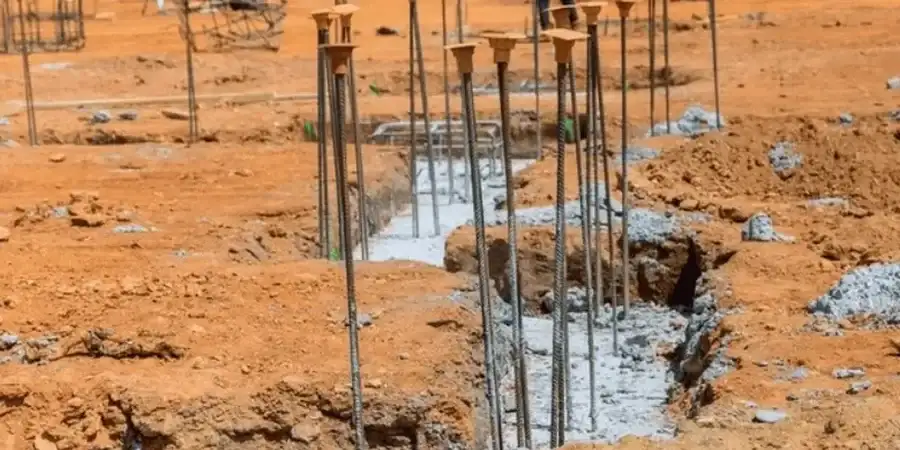
The most significant geotechnical hazard in Columbia is not always the soil itself but the depth at which competent bearing strata appear. In the Forest Acres and Shandon neighborhoods, we have observed that the transition from residual soil to partially weathered rock is highly erratic, often causing refusal of standard split-spoon samplers at variable depths. A design based solely on the upper 3 meters of stiff clay can be misleading if a deeper lens of soft micaceous silt is missed. This subsurface irregularity can lead to differential settlement of shallow footings, manifesting as distress in brick veneer and slab-on-grade foundations. Our soil mechanics study systematically evaluates the compressibility of each stratum, ensuring that the design bearing pressure is validated by both limit equilibrium and serviceability limit states, thereby mitigating the high repair costs associated with post-construction settlement in the Midlands.

Typical values

ParameterTypical value
Site Classification (ASCE 7-22)Site Class C to D based on Vs30
Sampling MethodASTM D1586-18 Standard Penetration Test (SPT)
Grain Size DistributionASTM D6913/D7928 - Hydrometer & Sieve
Consistency LimitsASTM D4318-17e1 Atterberg Limits
Compaction CharacteristicsASTM D698 / D1557 Proctor Tests
Shear StrengthASTM D4767 Consolidated-Undrained Triaxial
ConsolidationASTM D2435 One-Dimensional Swell/Collapse

Common questions

How much does a soil mechanics study cost for a single-family home lot in Columbia?
What is the typical depth to bedrock in Columbia, SC?

In the downtown and Five Points areas, partially weathered gneiss and schist bedrock can be encountered anywhere from 3 to 9 meters below grade. However, in the Lower Richland region toward the Congaree Swamp, the crystalline basement rock can be overlain by over 30 meters of Coastal Plain sediments, making deep foundations necessary.

Do I need a soil mechanics study for a retaining wall under 4 feet?

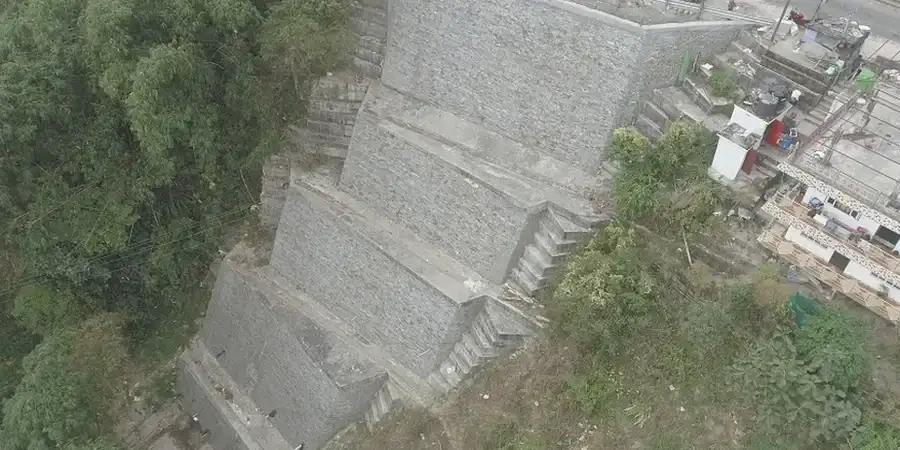
While the IBC exempts some low-height landscape walls from full engineering design, the expansive nature of Columbia's residual clays makes a limited soil mechanics study advisable even for walls under 4 feet. A simple Atterberg limits test can confirm whether the backfill will exert excessive lateral pressure when saturated.

What is the seismic site class for most of Columbia?

Most sites in the Columbia Midlands fall under ASCE 7 Site Class C or D, based on shear wave velocity (Vs30) measurements in the upper 30 meters. The transition from stiff saprolite to softer alluvium near the river corridors can drop the site class to D, requiring a site-specific response spectrum analysis.

Location and service area

We serve projects across Columbia South Carolina and surrounding areas.

View larger map